Introduction
Technology has transformed the way people learn, communicate, and access information. In today’s digital world, education is no longer limited to traditional classrooms and textbooks. Digital learning has emerged as a powerful tool that provides students with access to educational resources, interactive learning experiences, and opportunities to develop essential skills for the future.
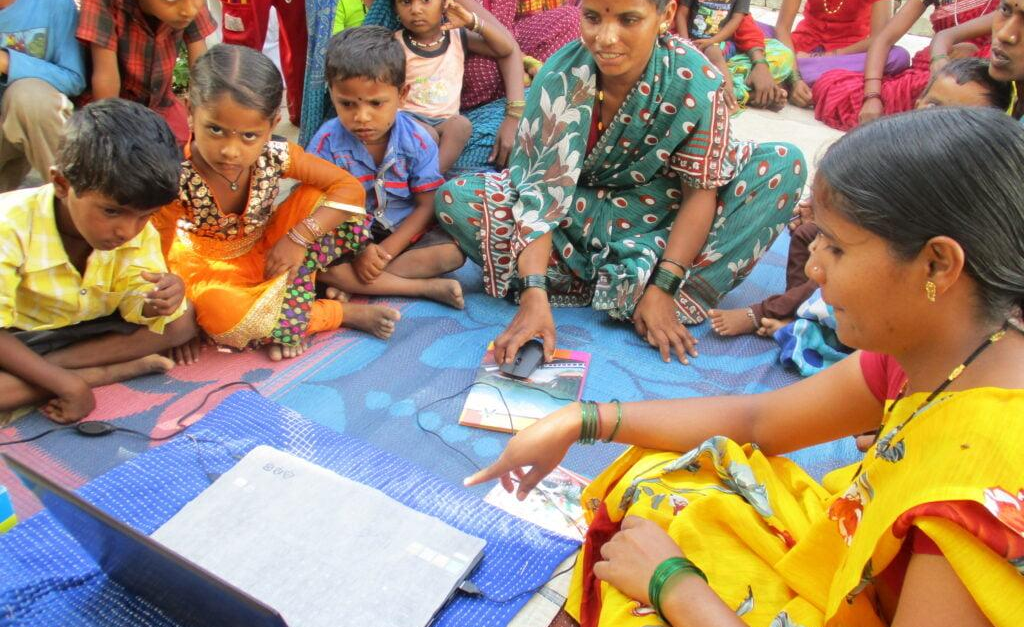
For rural schools, digital learning can play a particularly important role in bridging educational gaps and creating equal opportunities for students. By integrating technology into education, rural communities can improve learning outcomes, enhance teaching methods, and prepare students for a rapidly changing world.
At GOOD PEOPLE FOUNDATION, we believe that digital education can help empower children and strengthen rural communities. Through awareness initiatives and educational support programs, we encourage the adoption of learning opportunities that help students succeed in the digital age.
Learn more about digital education initiatives through UNESCO Digital Learning Resources.
What Is Digital Learning?

Digital learning refers to the use of technology to support teaching and learning processes.
It may include:
- Online learning platforms
- Educational videos
- Interactive lessons
- Digital textbooks
- Virtual classrooms
- Educational applications
Digital learning allows students to access information anytime and helps create engaging learning experiences.
GOOD PEOPLE FOUNDATION supports awareness about technology-enabled education and its benefits for rural communities.
1. Expanding Access To Quality Education

Many rural schools face challenges such as limited educational resources, teacher shortages, and lack of specialized learning materials.
Digital learning helps by:
- Providing access to high-quality educational content
- Supporting self-paced learning
- Connecting students with additional learning resources
- Expanding educational opportunities
Students can access knowledge beyond their local classrooms and gain exposure to a broader range of subjects.
Learn more about educational access through UNICEF Education Programs.
2. Enhancing Student Engagement And Learning

Interactive learning tools make education more engaging and enjoyable for students.
Benefits include:
- Increased student participation
- Better understanding of concepts
- Improved retention of information
- Personalized learning experiences
- Enhanced creativity and curiosity
Digital learning encourages active participation and helps students develop a love for learning.
GOOD PEOPLE FOUNDATION believes that engaging educational experiences contribute to better learning outcomes.
3. Developing Essential Digital Skills

Digital literacy has become an essential skill in today’s workforce and society.
Digital learning helps students develop:
- Computer literacy
- Internet research skills
- Problem-solving abilities
- Communication skills
- Technology proficiency
These skills prepare students for future educational and career opportunities.
Explore digital literacy initiatives through Digital India Mission.
4. Supporting Teachers And Improving Teaching Methods

Digital tools can help teachers deliver more effective and engaging lessons.
Benefits for educators include:
- Access to teaching resources
- Interactive lesson planning
- Improved classroom management
- Better student assessment tools
- Opportunities for professional development
Technology enables teachers to adapt lessons to meet the diverse needs of students.
GOOD PEOPLE FOUNDATION encourages educational innovation that supports both students and teachers.
5. Reducing Educational Inequality

One of the most important benefits of digital learning is its ability to reduce educational inequality.
Digital education helps:
- Bridge urban-rural learning gaps
- Provide equal access to information
- Support inclusive education
- Create opportunities for disadvantaged students
- Promote lifelong learning
By making educational resources more accessible, digital learning helps ensure that every child has the opportunity to succeed.
Learn about inclusive education initiatives through United Nations Sustainable Development Goal 4 – Quality Education.
Challenges Of Digital Learning In Rural Areas
While digital learning offers many benefits, rural schools may face challenges such as:
- Limited internet connectivity
- Lack of digital devices
- Insufficient technical infrastructure
- Digital literacy gaps
- Limited access to training
Addressing these challenges requires collaboration between communities, educational institutions, organizations, and policymakers.
GOOD PEOPLE FOUNDATION supports awareness efforts that encourage the development of accessible learning opportunities for all students.
How GOOD PEOPLE FOUNDATION Supports Digital Education
GOOD PEOPLE FOUNDATION is committed to promoting educational awareness and encouraging learning opportunities that prepare students for the future.
Our educational initiatives focus on:
- Digital learning awareness
- Community education programs
- Youth development initiatives
- Educational support activities
- Technology-enabled learning opportunities
We believe that digital education can help bridge educational gaps and empower future generations.
Conclusion
Digital learning has the potential to transform rural education by expanding access to knowledge, improving learning experiences, developing essential skills, and reducing educational inequalities.
GOOD PEOPLE FOUNDATION remains dedicated to promoting educational awareness and supporting initiatives that encourage technology-enabled learning. By embracing digital education, rural schools can create opportunities that help students succeed in an increasingly connected world.
Together, we can build a future where every child has access to quality education and the digital skills needed for success.